

Sustainability · 2025
In this section47 topics
- Sustainability Policy3 items
- Sustainability Goals & UN SDGs3 items
- Policy Review3 items
- Business Value Chain1 item
- Stakeholder Analysis2 items
- Environmental Policy & Guidelines4 items
- Environmental Policy Review2 items
- Energy — Plan & Guidelines2 items
- Energy — Electricity Consumption1 item
- Energy — Fuel Consumption1 item
- Energy — Targets1 item
- Energy — Performance & Outcomes2 items
- Water — Plan & Guidelines2 items
- Water — Withdrawal, Discharge & Consumption1 item
- Water — Targets1 item
- Water — Performance & Outcomes2 items
- Waste — Plan & Guidelines2 items
- Waste — Generation, Disposal & Recycling1 item
- Waste — Targets1 item
- Waste — Performance & Outcomes2 items
- GHG — Plan & Guidelines2 items
- GHG — Emissions2 items
- GHG — Emissions Verification2 items
- GHG — Principles & Standards1 item
- GHG — Targets1 item
- GHG — Performance & Outcomes2 items
- Environmental Legal Incidents1 item
- Social Policy & Guidelines5 items
- Social Policy Review1 item
- Human Rights Due Diligence1 item
- Employees — Plan & Guidelines3 items
- Employees — Workforce2 items
- Employees — Remuneration & Provident Fund2 items
- Employees — Training & Development2 items
- Employees — Occupational Health & Safety2 items
- Employees — Labour Relations2 items
- Employees — Employee Representation3 items
- Employees — Targets2 items
- Employees — Performance & Outcomes2 items
- Customers — Plan & Guidelines3 items
- Customers — Satisfaction Results1 item
- Customers — Targets2 items
- Customers — Performance & Outcomes2 items
- Community & Social — Plan & Guidelines3 items
- Community & Social — Targets1 item
- Community & Social — Performance & Outcomes2 items
- Law Violation Incidents1 item
Sustainability Policy
Has a Sustainability Policy
Yes
Policy Description
Internet Thailand Public Company Limited (the “Company”) is committed to fostering innovations in information technology and digital services that are closely integrated with its corporate culture. The Company continually develops its operations in adherence to good corporate governance principles, aiming to create long-term value for the economy, society, and the environment, in alignment with the Sustainable Development Goals (SDGs). It also recognizes the significance of all stakeholders, promoting balanced and sustainable shared growth. The Company has established comprehensive sustainability management policies and practices encompassing all aspects of its business operations, including environmental, social, economic, and corporate governance dimensions. These policies are publicly disclosed on the Company’s website at www.inet.co.th under Investor Relations > Corporate Governance.
Policy Document Link
https://ir.inet.co.th/api/v1/file/d60e807e-430b-4399-9453-ab341947e1e5.pdf
Sustainability Goals & UN SDGs
Has Sustainability Goals
Yes
Goals Description
The Company establishes corporate-level sustainability management targets in line with its policies to demonstrate its commitment to long-term sustainable business development. This approach provides stakeholders with clear guidance on the Company’s principles, governance framework, strategic direction, and business objectives, thereby facilitating understanding and active engagement. In particular, it ensures that employees align their mindset and operational practices with the Company’s sustainability policies and targets, promoting consistent implementation across the organization.
The Company has established sustainability performance targets covering three dimensions: Environmental, Social, and Governance (ESG), in alignment with the United Nations Sustainable Development Goals (SDGs). These targets serve as a framework to guide the Company’s operations toward sustainable growth, as follows:
The sustainability goals include Environmental, Social, and Governance (ESG).
E – Environment Strive towards a low carbon society with technology
S – Social Enhance quality of life and equal opportunities
G – Governance Develop innovations and technologies to drive the economy with digital solutions and
good corporate governance
The Company has a business strategy focused on reducing greenhouse gas emissions, promoting the use of clean energy, and creating shared value for society to ensure sustainable organizational growth. In addition, the Company is committed to developing innovations to drive the digital economy, which serves as a key mechanism for achieving long-term sustainability goals.
UN Sustainable Development Goals
| SDG Goal |
|---|
| Goal 1 No Poverty |
| Goal 3 Good Health and Well-being |
| Goal 4 Quality Education |
| Goal 5 Gender Equality |
| Goal 6 Clean Water and Sanitation |
| Goal 7 Affordable and Clean Energy |
| Goal 8 Decent Work and Economic Growth |
| Goal 9 Industry, Innovation and Infrastructure |
| Goal 10 Reduce Inequalities |
| Goal 11 Sustainable Cities and Communities |
| Goal 12 Responsible Consumption and Production |
| Goal 13 Climate Action |
| Goal 16 Peace, Justice and Strong Institutions |
| Goal 17 Partnerships for the Goals |
Policy Review
Policy Reviewed This Year
Yes
Policy Changed This Year
Yes
Review Details
In 2025, the Company reviewed its sustainability management policies to ensure that they encompass all material issues across each dimension and are aligned with the Company’s strategic business direction.
Business Value Chain
Value Chain Description
As an integrated ICT infrastructure service provider, the Company offers Internet Access services, INET Data Center services, and Cloud services. These three services are core infrastructures for companies, focusing on service stability, protection from cyber threats, and continuous development of service delivery models. The Company prioritizes managing and considering both internal and external stakeholders by providing services that meet international standards for security and quality, as well as developing technology to support the digital transformation of others, along with after-sales services to ensure customer satisfaction.
The Company business operation value chain consists of 5 primary activities as follows:
1. Factors of Production Management : The Company operates as an integrated ICT infrastructure service provider, enhancing business competitiveness through cloud and digital services. Accordingly, the Company focuses on developing new products via research and development by Thai developers, building on existing services, and seeking partnerships to strengthen technological capabilities with other organizations. This approach aims to meet customer needs, support other organizations’ digital transformation, provide services that comply with international standards for security and quality, and manage operating costs for maximum efficiency.
2. Operation : The Company prioritizes the development of innovation and service integration, focusing on building a foundation to deliver trusted, high-quality services that meet international standards, as well as developing technology to create knowledge and expertise for Thai society. In addition, the Company emphasizes providing ICT-based services and developing platform technologies to support businesses, meet customer needs, and generate long-term economic, social, and environmental value.
3. Distribution of Products and Services : The Company is a trusted platform service provider, developing new digital platforms to expand the adoption of cloud solutions and meet the service needs of customer businesses. The focus is on delivering services with reliable SLAs, stability, and flexibility, enabling customers to access them easily and conveniently.
4. Market and Sales : The Company focuses on targeted marketing by offering products and services to specific customer segments, providing solutions that meet their needs and help them manage their businesses effectively. This approach is particularly beneficial for customers seeking to reduce IT infrastructure costs, increase efficiency, adopt new innovations, and access suitable, reasonably priced services.
5. Aftercare Service : The Company monitors customer satisfaction after sales to continuously develop and enhance its services for target customers.
Support Activities : The following supporting activities ensure that the Company’s main business operations run efficiently and effectively. Human Resource Management is considered a key driver of the business; therefore, the Company places great emphasis on recruitment, nomination, knowledge development, career advancement opportunities, remuneration, and welfare. Innovation and Technology Development aim to enhance the capability to develop and create technology that delivers tangible benefits. Procurement is managed by a knowledgeable and experienced team to ensure the acquisition of high-quality, internationally recognized equipment that supports customer services and provides essential infrastructure for efficient operations, such as accounting, financial systems, and organizational management.
Therefore, effective business operations within the business value chain serve as an important framework for managing stakeholders throughout the value chain. The Board of Directors has established policies, good corporate governance principles, and a code of conduct as written guidelines for stakeholder interactions. These encompass various policies, including the Board of Directors Policy, Human Resources Policy, Employee Ethics, Conflict of Interest Policy, Internal Control Policy, Nomination Ethics, Accounting and Financial Reporting Policy, Public Activity Policy, Company Confidentiality and Internal Information Regulations, Securities Exchange Policy, Anti-Fraud and Corruption Policy, Whistleblower Policy, and Anti-Money Laundering and Prevention Policy, among others. Directors, executives, and employees are aware of and strictly adhere to these policies.
Stakeholder Analysis
Introduction
The Company grouped stakeholders, both internal and external, by considering their contributions and impact on operations and business performance, with the best interests of all stakeholders in mind. The stakeholder groups include shareholders, customers, partners, creditors, business competitors, employees, and society, communities, and the environment. Communication methods and engagement approaches vary for each group to foster strong relationships in line with good corporate governance, such as shareholders’ meetings, annual reports, websites, and other channels.
Stakeholder Analysis
| Stakeholder Type | Stakeholders | Stakeholder Expectations | Response to Expectations | Communication Activities |
|---|---|---|---|---|
| External stakeholders | 2913 · Description: Shareholders | - Receive accurate and reliable information
- Encourage shareholders to participate in meetings and approve key resolutions
- Report on the Company’s operational performance and activities
- Drive business growth and generate sustainable returns on investment
- Effectively manage operational risks
- Ensure transparency in all business operations
| - Establish policies for good corporate governance and risk management
- Manage risks effectively
- Develop technology to enhance business returns
- Provide updates and important information on the Company’s website (Investor Relations)
- Report on operational results in the Annual Report
- Share information through company visits and Opportunity Day events
| 2938 · Description: Visit · 2941 · Description: Online Communication · 2944 · Description: Annual General Meeting (AGM) |
| External stakeholders | 2923 · Description: Customers | - Ensure product quality, network performance, and service excellence
- Respond promptly to support and service requests
- Maintain transparency and fairness in business operations
- Offer a diverse range of products that meet customer needs
| - Analyze suggestions and complaints to identify root causes and resolve issues
- Train employees to enhance customer service skills
- Improve service quality and technology to meet future customer needs
- Operate in accordance with safety principles and international standards
| 2941 · Description: Online Communication · 2945 · Description: Complaint Reception · 2947 · Description: Satisfaction Survey · 2948 · Description: Training / Seminar · 2949 · Other name: Network Operations Center (NOC) · Description: Others |
| Internal stakeholders | 2921 · Description: Employees | - Ensure fair employment with appropriate compensation based on position and responsibilities, along with good benefits and career advancement opportunities within the Company
- Provide a safe and supportive working environment with adequate resources
- Promote sustainable growth of the organization
- Foster the development of employees’ potential, knowledge, and skills
| - Provide fair compensation based on performance evaluations
- Offer training and opportunities for personnel development
- Provide comprehensive benefits, including healthcare and retirement funds
- Manage personnel and conduct performance evaluations in accordance with the Company’s business ethics
| 2941 · Description: Online Communication · 2942 · Description: Internal Meeting · 2945 · Description: Complaint Reception · 2946 · Description: Employee Engagement Survey · 2949 · Other name: Performance Evaluation · Description: Others |
| External stakeholders | 2899 · Description: Suppliers | - Conduct business with full transparency, robust oversight, adherence to corporate governance principles, and anti-corruption
- Ensure that procurement processes strictly comply with budgetary allocations and quality standards
- Monitor and evaluate operational results, project developments, and overall business growth
- Promote and maintain operational efficiency across all business activities
| - Establish and publicly communicate policies on corporate governance and business ethics
- Develop guidelines for partners in accordance with the Company’s anti-fraud and anti-corruption policies
- Enhance the efficiency of the procurement process by leveraging technology to reduce steps and documentation
| 2938 · Description: Visit · 2941 · Description: Online Communication · 2945 · Description: Complaint Reception |
| External stakeholders | 2898 · Description: Competitors | - Corporate governance and business ethics
- Treat business competitors fairly | - Ensure fair and transparent competition
- Conduct business in accordance with fair competition rules and practices
- Refrain from seeking competitors’ confidential information through dishonest or inappropriate means
| 2941 · Description: Online Communication · 2945 · Description: Complaint Reception |
| External stakeholders | 2894 · Description: Creditor | - Settle payments for goods and/or services with creditors in a timely manner
- Comply with agreed terms and conditions
| - Strictly adhere to contractual agreements and conditions
- Effectively manage budgets and funds to support business operations
- Maintain trust and strong relationships with creditors
| 2941 · Description: Online Communication · 2945 · Description: Complaint Reception |
| External stakeholders | 2902 · Description: Community · 2928 · Description: Society | - Access to employment opportunities
- Access to knowledge support to enhance quality of life and strengthen community capabilities across various aspects
- Participation in community development, job creation, and income generation to promote community prosperity
- Improvement of the quality of life of communities and society
- Reduction of social inequality, including disparities related to physical disabilities and gender
- Participation in efforts to mitigate global warming
| - Support the employment of persons with disabilities to promote equal opportunities and gender equality
- Create jobs, occupations, and income for communities
- Promote the use of information technology and the Internet as tools for economic and social development
- Encourage, support, and raise awareness among employees to conserve electricity and water, and reduce plastic bag usage
- Reduce paper usage through the implementation of digital workflow systems
| 2940 · Description: Social Event · 2941 · Description: Online Communication · 2943 · Description: External Meeting · 2945 · Description: Complaint Reception |
Environmental Policy & Guidelines
Has an Environmental Policy
Yes
Policy Description
The Company is committed to conducting its business with social and environmental responsibility in accordance with sustainable development principles. Recognizing the importance of environmental stewardship, the Company has established policies and operational guidelines aimed at preventing and minimizing environmental impacts across its value chain. The Company focuses on enhancing operational efficiency while controlling and reducing environmental impacts in areas such as energy, water, waste, pollution, greenhouse gas emissions, and climate change. In addition, the Company promotes the development of environmentally friendly technologies and innovations.
Guidelines :
1. Comply with applicable laws, regulations, and environmental management measures relevant to business operations.
2. Emphasize the management, control, prevention, and mitigation of environmental impacts arising from business operations on communities, society, and stakeholders. The Company focuses on efficient resource management and utilization, covering energy, water resources, waste, pollution, greenhouse gas emissions, and climate change, as well as supporting access to clean energy.
3. Properly manage electronic waste (e-waste) and end-of-life products generated from operations in an appropriate and responsible manner.
4. Enhance readiness to address climate change by adjusting operations to reduce greenhouse gas emissions, developing environmentally friendly technologies and innovations, optimizing resource use, and assessing related risks and opportunities. 5. Promote environmental awareness and foster a sense of responsibility among employees to participate in environmental conservation.
Policy Document Link
https://ir.inet.co.th/api/v1/file/b844fc9d-b888-42de-90dc-31bf8dc08c34.pdf
Environmental Guidelines
| Guideline |
|---|
| Electricity Management |
| Renewable/Clean Energy Management |
| Water Management |
| Waste Management |
| Greenhouse Gas and Climate Change Management |
Environmental Policy Review
Policy Reviewed This Year
Yes
Review Details
In 2025, the Company formalized its environmental policies and practices in a clear and documented manner to serve as a guiding framework for operations in alignment with its strategic business direction.
Energy — Plan & Guidelines
Has an Energy Management Plan
Yes
Plan Description
The Company places significant emphasis on energy management to achieve maximum operational efficiency. It leverages digital technologies to drive innovation and enhance the effective and efficient use of energy. The Company implements measures to control, prevent, and minimize energy losses, while promoting the use of renewable energy. These efforts aim to reduce overall energy consumption and improve long-term cost efficiency. In addition, the Company fosters awareness among employees and encourages their active participation in energy conservation initiatives. Energy Management of INET Data Center (INET-IDC)
The Company has established an energy management plan for the INET Data Center (INET-IDC), with a focus on efficiency and sustainability to ensure optimal energy utilization in alignment with its long-term sustainability goals. The key approaches are as follows:
• Clean Energy and Sustainability Plan: The Company promotes the use of clean energy to power the INET Data Center (INET-IDC) in order to reduce reliance on energy sources that generate greenhouse gas emissions and to support environmentally friendly business operations.
• Energy Efficiency Management: The Company places importance on the Power Usage Effectiveness (PUE), a key indicator of data center energy efficiency. Energy consumption is continuously monitored and analyzed to support ongoing improvements and achieve optimal and sustainable efficiency.
• Equipment Maintenance Plan: The Company implements regular maintenance plans for equipment and systems within the INET-IDC in accordance with defined schedules to ensure optimal performance, reduce unnecessary energy consumption, and minimize the risk of system disruptions.
Energy — Electricity Consumption
Electricity Consumption
| Metric | Current Year | Previous Year |
|---|---|---|
| Total electricity consumption within the organization (Kilowatt-Hours) | 29,506,411 | 27,867,896 |
| Electricity purchased for consumption from non-renewable energy sources (Kilowatt-Hours) | 26,619,215 | 24,866,204 |
| Electricity purchased or generated for consumption from renewable energy sources (Kilowatt-Hours) | 2,887,196 | 3,001,692 |
Energy — Fuel Consumption
Fuel Consumption
| Metric |
|---|
| Crude oil (Barrels) |
| Coal (Metric tonnes) |
| Jet fuel (Litres) |
| Diesel (Litres) |
| Gasoline (Litres) |
| Fuel oil (Litres) |
| Natural gas (Standard cubic feet) |
| LPG (Kilograms) |
| Steam (Metric tonnes) |
Energy — Targets
Has Set Targets
No
Energy — Performance & Outcomes
Has Performance Results
Yes
Performance Description
The Company is committed to optimizing energy efficiency through the development of innovations and technologies aimed at reducing energy consumption and enhancing cost-effectiveness. This includes controlling electricity usage in operational processes and data center activities to minimize energy losses and optimize energy performance. In 2025, the Company implemented the following energy management initiatives:
• Renewable Energy : The Company is committed to advancing the use of renewable energy through the implementation of a solar farm project at INET Data Center 3 (INET-IDC3) in Saraburi Province. This initiative generates clean energy from solar power to supply electricity to INET-IDC3, representing a strategic investment in renewable energy that reduces reliance on grid electricity derived from greenhouse gas-intensive sources and enhances long-term energy cost efficiency. In 2025, the project generated a total of 2,887,196 kilowatt-hours (kWh) of electricity, contributing to the reduction of greenhouse gas emissions, optimization of operational costs, and the achievement of the Company’s environmental sustainability objectives.
• Power Usage Effectiveness (PUE) : The Company continuously monitors and measures Power Usage Effectiveness (PUE) on a real-time basis. The system tracks energy consumption across key components, including IT Load, Cooling Load, and Facility Load, enabling data-driven analysis and systematic optimization of electricity usage within the INET Data Center.
• Energy and Resource Control : The Company implements measures to control the operation of equipment within the INET Data Center (INET-IDC) in alignment with actual load requirements and operational needs at any given time. This includes maintaining appropriate temperature and humidity levels within data center facilities to enhance system efficiency. In addition, the Company utilizes energy-efficient equipment with low energy loss and promotes energy-saving devices across both the INET data center and office areas to optimize resource utilization.
- Adoption of Energy-Efficient Equipment : The Company utilizes energy-efficient equipment, including LED lighting, motion sensors for automatic energy saving, and appliances with Thailand’s No. 5 energy efficiency label.
- Energy Conservation Promotion : The Company promotes employee participation in energy conservation by encouraging efficient electricity use and energy-saving behaviors, such as turning off lights and unplugging equipment when not in use.
Water — Plan & Guidelines
Has a Water Management Plan
Yes
Plan Description
Water is a critical resource for both daily living and economic activities. The Company prioritizes efficient water management and responsible utilization, while fostering employee awareness of water conservation. It also supports the sustainable management of natural resources to mitigate the risk of water scarcity.
Water — Withdrawal, Discharge & Consumption
Water Withdrawal, Discharge & Consumption
| Metric | Current Year | Previous Year |
|---|---|---|
| Total water withdrawal (Cubic meters) | 12,101.06 | 11,408.86 |
| Total water withdrawal by third-party water (Cubic meters) | ||
| Total water withdrawal by surface water (Cubic meters) | ||
| Total water withdrawal by groundwater (Cubic meters) | ||
| Total water withdrawal by seawater (Cubic meters) | ||
| Total water withdrawal by produced water (Cubic meters) | ||
| Percentage of wastewater treated before discharge (%) | ||
| Total water discharge (Cubic meters) | ||
| Total water discharge to third-party water (Cubic meters) | ||
| Total water discharge to surface water (Cubic meters) | ||
| Total water discharge to groundwater (Cubic meters) | ||
| Total water discharge to seawater (Cubic meters) | ||
| Total water consumption (Cubic meters) | 12,101.06 | 11,408.86 |
| Recycled water (Cubic meters) |
Water — Targets
Has Set Targets
No
Water — Performance & Outcomes
Has Performance Results
Yes
Performance Description
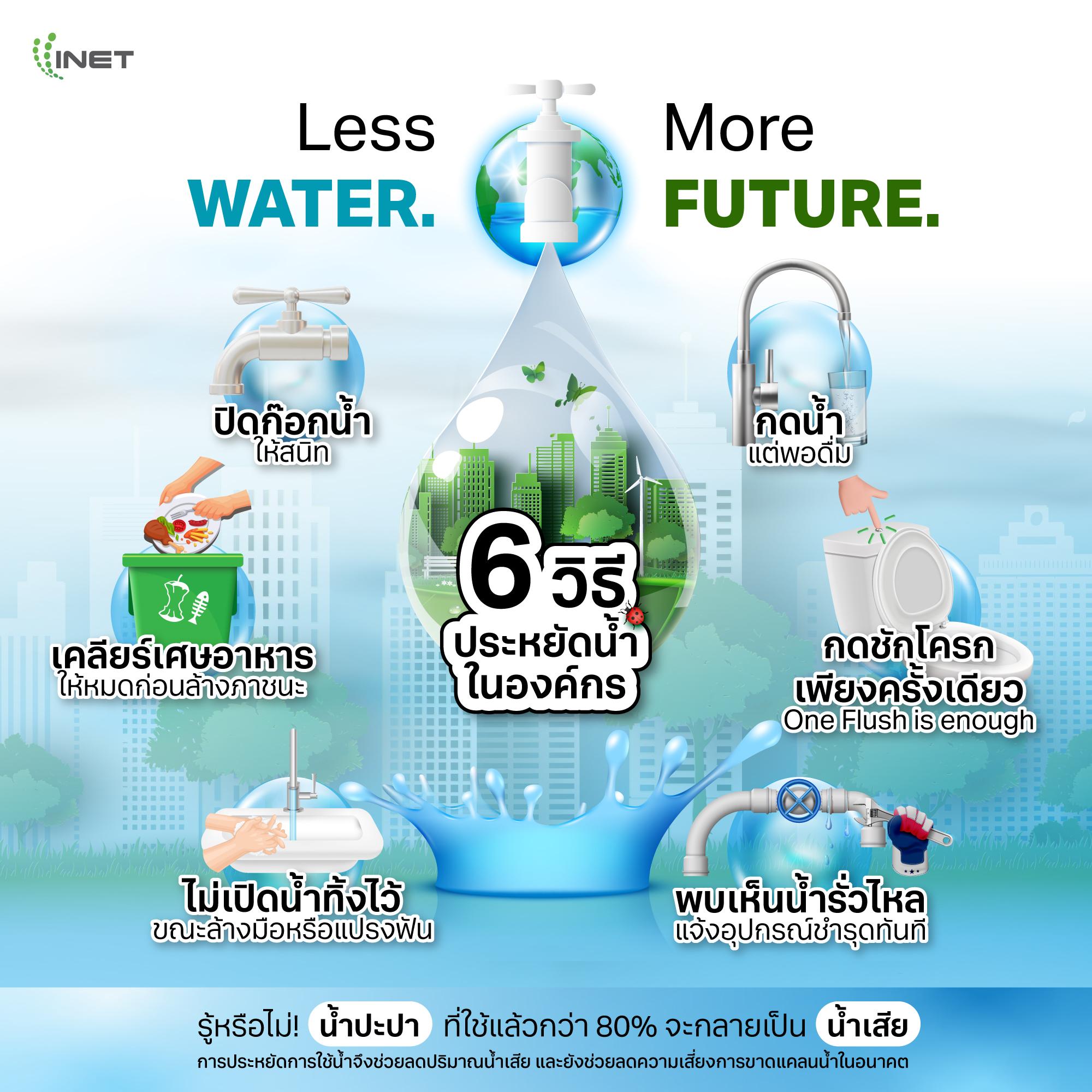
In 2025, the Company implemented efficient water management practices, focusing on reducing water consumption and promoting responsible water use. The key initiatives are as follows:
• Water Management at INET Data Center (INET-IDC) : INET-IDC employs an air-cooled chiller system, which uses air for cooling instead of water, reducing tap water consumption in operations. A Water Leak Detection System has also been installed to monitor and alert for any abnormalities, enabling timely inspection and corrective action to prevent unnecessary water loss. In addition, wastewater generated from operational processes is properly controlled and collected. Wastewater is directed to designated drainage channels and retention ponds within the facility to prevent uncontrolled discharge into external areas.
• Use of Water-Efficient Products : The Company prioritizes reducing water consumption within the INET Data Center and office areas by using equipment that enhances water efficiency. Examples include dual-flush toilets, which allow users to select an appropriate water volume and can reduce water usage by up to 67% compared to conventional models, as well as water-saving faucets.
• Drinking Water Quality Monitoring and Promotion of Access to Clean Water : The Company places great importance on drinking water quality, regularly monitoring and controlling it to ensure that water provided to employees is clean, safe, and compliant with relevant standards. In addition, the Company promotes equitable access to clean drinking water throughout the workplace by providing sufficient and conveniently located water points, supporting employee hygiene and reducing the use of single-use packaging.
• Employee Awareness and Engagement : The Company continuously communicates and organizes campaigns to encourage employee participation in water conservation and responsible water use. The initiatives focus on fostering awareness of water resource preservation and promoting efficient water usage behaviors.
Waste — Plan & Guidelines
Has a Waste Management Plan
Yes
Plan Description
The Company recognizes the importance of resource efficiency and effective waste management. It implements operational plans based on the 3Rs principle (Reduce, Reuse, Recycle), alongside the application of digital technologies and innovations, to systematically reduce resource consumption, minimize waste generation, and mitigate environmental impacts. The initiatives also promote employee engagement in waste management within the organization.
• Reduce : The Company implements paperless systems and digital platforms to minimize paper use, resource consumption, and costs. It also develops digital products and services that help reduce environmental impacts.
• Reuse : The Company promotes the donation or redistribution of items in good condition to encourage their reuse and maximize resource efficiency.
• Recycle : The Company supports systematic waste segregation within the organization to enable recycling and generate sustainable value for society.
Waste — Generation, Disposal & Recycling
Waste Generation, Disposal & Recycling
| Metric | Current Year | Previous Year |
|---|---|---|
| Total waste generated (Kilograms) | ||
| Non-hazardous waste (Kilograms) | ||
| Non-hazardous waste - Landfilling (Kilograms) | ||
| Non-hazardous waste - Incineration (with energy recovery) (Kilograms) | ||
| Non-hazardous waste - Incineration (without energy recovery) (Kilograms) | ||
| Non-hazardous waste - Other disposal operations (Kilograms) | ||
| Hazardous waste (Kilograms) | ||
| Hazardous waste - Landfilling (Kilograms) | ||
| Hazardous waste - Incineration (with energy recovery) (Kilograms) | ||
| Hazardous waste - Incineration (without energy recovery) (Kilograms) | ||
| Hazardous waste - Other disposal operations (Kilograms) | ||
| Total reused/recycled waste (Kilograms) | 8,453.6 | 5,329.7 |
| Reused/Recycled non-hazardous waste (Kilograms) | 8,453.6 | 5,329.7 |
| Reused non-hazardous waste (Kilograms) | ||
| Recycled non-hazardous waste (Kilograms) | 8,453.6 | 5,329.7 |
| Reused/Recycled hazardous waste (Kilograms) | ||
| Reused hazardous waste (Kilograms) | ||
| Recycled hazardous waste (Kilograms) |
Waste — Targets
Has Set Targets
No
Waste — Performance & Outcomes
Has Performance Results
Yes
Performance Description
In 2025, the Company implemented waste management practices based on the 3Rs principle (Reduce, Reuse, Recycle) within the organization as follows:
• Reduce
- The Company has transitioned document processes from paper-based to digital workflows through its Digital Workflow system. This shift reduces paper consumption by over 306,040 sheets, minimizing resource use, lowering operational costs, and mitigating environmental impacts, including greenhouse gas emissions from organizational activities.
- HR Management The Company has developed a Human Resource Management (HRM) system to enhance operational efficiency, streamline processes, and reduce document handling time. The system strengthens the accuracy, transparency, and structure of HR operations, covering recruitment, training, performance evaluation, and benefits and payroll management. All documents have been fully digitized (100%), and internal communication is supported by a Chatbot system.
- eMeeting The Company has implemented an electronic meeting system (eMeeting) to streamline agenda preparation, document distribution, and minute recording. The system reduces paper use and administrative workload, enhances efficiency, and improves data security. Its adoption across all Board and subcommittee meetings has reduced paper usage by 90%.
• Reuse
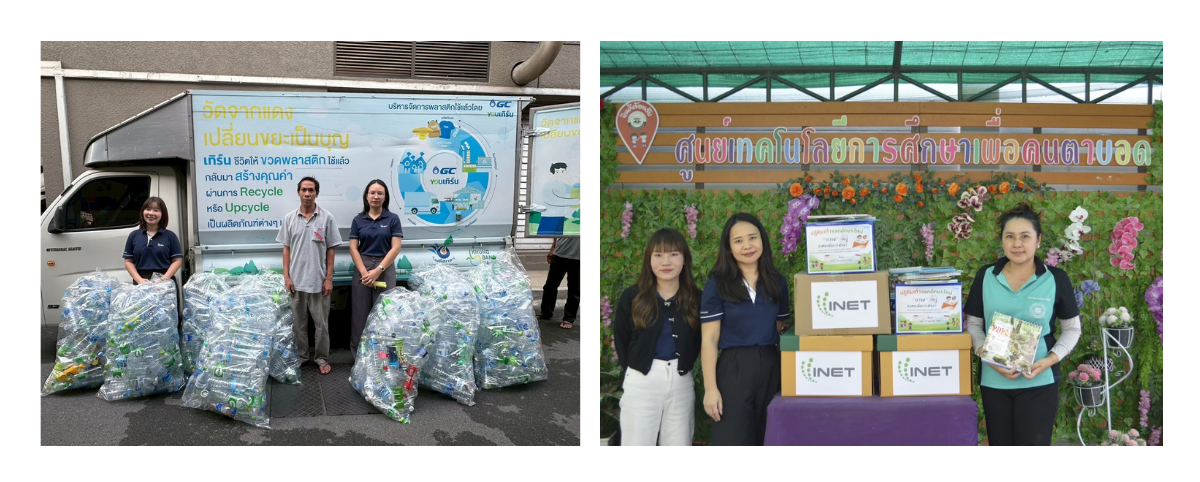
- The Company promotes the reuse of items by donating 500 old desk calendars to the “Educational Technology Center for the Blind,” where they are converted into Braille learning materials for visually impaired individuals. This initiative maximizes resource efficiency and supports educational opportunities.
• Recycle
- The Company promotes proper waste segregation, separating hazardous and non-hazardous materials and collecting clean PET bottles for recycling. In 2025, 8,453.60 kg of waste was recycled, reducing greenhouse gas emissions by 22.87 tCO2e. Hazardous waste, such as fluorescent lamps and batteries, was safely collected and disposed of, minimizing environmental risks.
In addition, the Company has organized initiatives to raise environmental awareness within the organization and the community, including:
- Donating water bottles to “Wat Jak Daeng” for recycling and conversion into monk robes, promoting resource efficiency and fostering employee awareness of waste segregation and sustainable resource use.
- Conducting the Green Go BINGO activity to encourage employees to adopt environmentally friendly behaviors in daily life, such as reducing single-use plastics, saving energy, segregating waste, and using resources efficiently.
- Communicating proper waste segregation practices to employees to enhance waste management, minimize environmental impacts, and improve organizational resource efficiency.
GHG — Plan & Guidelines
Has a GHG Management Plan
Yes
Plan Description
The Company recognizes the risks and impacts of climate change, which may affect business operations, energy costs, and stakeholder expectations. The Company’s significant greenhouse gas (GHG) emissions primarily arise from electricity consumption at the INET Data Center (INET-IDC) and office buildings, which are core organizational activities. Accordingly, the Company emphasizes operational adjustments to prevent and reduce both direct and indirect GHG emissions, including:
• Energy Efficiency: Enhancing energy use efficiency across operations.
• Renewable Energy: Increasing the use of clean and renewable energy sources.
• Resource and Waste Management: Optimizing resource use and proper waste management.
• Environmentally Friendly Innovation and Technology: Developing sustainable technologies and engaging stakeholders to support the transition to a low-carbon society.
GHG — Emissions
Introduction
In 2025, the Company conducted a greenhouse gas (GHG) inventory and assessment in accordance with the guidelines of the Thailand Greenhouse Gas Management Organization (TGO).
GHG Emissions
| Metric | Current Year | Previous Year |
|---|---|---|
| Total GHG emissions (Metric tonnes of carbon dioxide equivalent) | 16,795 | 12,588.63 |
| Total greenhouse gas emissions 1 (Metric tonnes of carbon dioxide equivalent) | 845 | 128.9 |
| Total greenhouse gas emissions 2 (Metric tonnes of carbon dioxide equivalent) | 13,307 | 12,430.62 |
| Total greenhouse gas emissions 3 (Metric tonnes of carbon dioxide equivalent) | 2,643 | 29.11 |
GHG — Emissions Verification
Emissions Verified by a Third Party
Yes
Verifying Body
3285
GHG — Principles & Standards
Principles & Standards Applied
| Standard |
|---|
| 2671 |
GHG — Targets
Has Set GHG Targets
No
GHG — Performance & Outcomes
Has Performance Results
Yes
Performance Description
In 2025, the Company conducted a Carbon Footprint for Organization (CFO) assessment to guide the management of greenhouse gas (GHG) emissions. This assessment supports the implementation of activities and projects aimed at preventing and reducing GHG emissions from various operations, including:
• Implemented operational measures to reduce electricity loss by regularly inspecting and maintaining equipment, and by using environmentally friendly fire suppression and cooling agents, thereby minimizing greenhouse gas emissions from the INET Data Center (INET-IDC).
• The Company continuously generates and uses renewable energy from its Solar Farm project, replacing electricity from the main grid—a significant source of GHG emissions. In 2025, this reduced grid electricity consumption by 10.86%, cutting 1,374 tCO2e of emissions.
• The Company promotes efficient resource use and engages employees in proper waste segregation and disposal, while applying innovative technologies to reduce resource consumption and pollution, thereby minimizing waste and environmental impacts.
• The Company develops innovations and digital platforms to enhance operational efficiency and reduce energy and resource use, including a systematic carbon footprint management platform that improves accuracy, transparency, and supports effective monitoring and GHG reduction targets.
Environmental Legal Incidents
Legal Violation Incidents
| Metric | Current Year | Previous Year | Two Years Ago |
|---|---|---|---|
| Number of cases or incidents of legal violations or negative environmental impact (cases) | 0 | 0 | 0 |
Employees — Plan & Guidelines
Has an Employee Management Plan
Yes
Plan Description
Employee Compensation
The Company recognizes its employees as a valuable resource and provides a supportive working environment that enables them to perform at their best, with fair and transparent compensation to ensure equitable career progression. Employee compensation includes salary, overtime pay, bonuses, special allowances, and contributions to social security and the provident fund. Compensation is determined based on performance evaluations, with salary increases clearly linked to assessment results. Employee performance is measured against clear criteria, such as the achievement of assigned tasks (detailed under section 7.5)
Employee Training and Development
The Company emphasizes the importance of personal development to enhance the knowledge and capabilities of employees at all levels, enabling them to perform their duties efficiently in alignment with operational goals and business achievements. Improving employee performance contributes to the Company’s sustainable competitive advantage. In the past year, the Company supported its employees in continuously acquiring further training, both internally and externally. Additionally, the Company implemented a knowledge management program, allowing employees to exchange knowledge and experiences through various channels, preparing them to cope with future business competition and rapid changes.
The Company has established a training and development framework for employees, consisting of three main groups as follows:
1. Company Mandatory Courses : Training programs required for all employees by the Company.
2. Functional Skill Courses : Specialized training programs specific to each business function or department.
3. Core Skills & General Courses : Training programs covering core competencies and general organizational skills. In addition, the Company promotes innovation by encouraging employees to design platforms or tools related to the development of technology, work processes, products, and/or services. This initiative aims to enhance efficiency and convenience in performing tasks, both within their own departments and in collaboration with other departments across the organization.
Employee Engagement and Relations
The Company places great importance on the comprehensive improvement of employees’ quality of work life, covering physical, mental, and emotional well-being, while promoting the Company’s core values to foster engagement, unity, and a positive working environment. A Welfare Committee, elected internally, oversees initiatives to strengthen employee relations and participation. These initiatives include traditional activities such as Songkran celebrations, annual meetings and social gatherings, as well as employee engagement events like Valentine’s Day and company sports competitions.
Occupational Safety and Health
The Company recognizes the importance of Safety, Occupational Health, and Environmental protection at Work (OSH&E) for its employees, business partners, contractors, and visitors. Therefore, it has established a policy and practices on OSH&E in accordance with OSH&E standards, serving as a framework for management and safety practices. To increase operational effectiveness, comply with OSH&E principles, and promote continuous improvement, the Company designated an OSH&E Committee to supervise and support the policy, drive its implementation, report on performance, and raise awareness of workplace safety through OSH&E training courses for employees at all levels. The Company also promoted projects and measures to support employee well-being, provided education on health and safety, and set a zero-accident goal.
Plan Areas
| Plan Area |
|---|
| Fair employee compensation |
| Employee training and development |
| Promoting employee relations and participation |
| Occupational health and safety in workplace |
Employees — Workforce
Introduction
The Company emphasizes employment practices that provide equal opportunities without discrimination, while continuously promoting and enhancing the quality of life for persons with disabilities. As of December 31, 2025, the number and proportion of employees were as follows:
Workforce Data
| Metric | Current Year | Previous Year | Two Years Ago |
|---|---|---|---|
| Total number of employees (Persons) | 2,134 | 1,955 | 1,211 |
| Number of male employees (Persons) | 1,110 | 1,008 | 611 |
| Number of female employees (Persons) | 1,024 | 947 | 600 |
| Total employment of disabled persons (people) | 19 | 19 | 9 |
| Total disabled employees (people) | |||
| Total male disabled employees (people) | |||
| Total female disabled employees (people) | |||
| Total disabled workers who are non-employee (people) | 19 | 19 | 9 |
| Contributions to the fund for promoting and improving the quality of life for disabled persons | |||
| Total number of male employees in operational level (Persons) | |||
| Total number of male employees in management level (Persons) | |||
| Total number of male employees in executive level (Persons) | |||
| Total number of female employees in operational level (Persons) | |||
| Total number of female employees in management level (Persons) | |||
| Total number of female employees in executive level (Persons) |
Employees — Remuneration & Provident Fund
Introduction
In 2025, the Company employed a total of 2,134 people. Total employee compensation amounted to THB 960.53 million, which included salaries, overtime pay, bonuses, special allowances, social security contributions, and contributions to the provident fund. The ratio of female to male employee compensation was 0.94 : 1.
Remuneration & Provident Fund
| Metric | Current Year | Previous Year | Two Years Ago |
|---|---|---|---|
| Total disabled employees (people) | 960,533,824.08 | 843,670,000 | 595,600,000 |
| Total male employee remuneration (Baht) | 494,757,097.97 | ||
| Total female employee remuneration (Baht) | 465,776,726.11 | ||
| Number of employees eligible to participate in PVD (persons) | 2,009 | 1,802 | 1,104 |
| Total number of employees joining employee provident fund (Persons) | 1,049 | 915 | 569 |
| Percentage of total number of employees joining employee provident fund to total number of employees (%) | 49.16 | 46.8 | 46.99 |
| Number of PVD members / Total eligible employees (%) | 52.22 | 50.78 | 51.54 |
| Total amount of provident fund contributed by the Company (Baht) | 20,782,542.33 | ||
| Total amount of provident fund contributed by employee (baht) | 27,519,491.09 |
Employees — Training & Development
Introduction
In 2025, the Company ensured that at least 50% of its total workforce received training and skill development annually, in compliance with the Skill Development Promotion Act B.E. 2545 (2002), through both internal and external training programs.
In addition, the Company places importance on enhancing employees’ quality of work life by promoting holistic development across physical, mental, and emotional well-being. Various activities aligned with the Company’s core values are organized, with an employee-elected welfare committee playing a key role in fostering engagement, participation, and strong workplace relationships across the organization.
Training Data
| Metric | Current Year | Previous Year | Two Years Ago |
|---|---|---|---|
| Average employee training hours (Hours / Person / Year) | 55.38 | 49.68 | 58.66 |
| Employee development and training expenses (baht) | 30,415,500 |
Employees — Occupational Health & Safety
Introduction
In 2025, the Company ensured a safe and hygienic working environment with effective risk controls, supported by protective equipment, knowledge development initiatives, and continuous training. Employee well-being was also prioritized through annual health check-ups, vaccination programs, medical expense reimbursement, and appropriate welfare benefits, in alignment with safety standards and workplace policies.
Occupational Health & Safety Data
| Metric | Current Year | Previous Year | Two Years Ago |
|---|---|---|---|
| Total number of lost time injury incidents by employees (Cases) | 0 | 0 | 0 |
Employees — Labour Relations
Introduction
In 2025, the Company emphasized strengthening employee relationships and engagement across all centers through various employee engagement initiatives, fostering a strong organizational culture. Employee engagement was also regularly assessed to support continuous improvement and employee retention.
Labour Relations Data
| Metric | Current Year |
|---|---|
| Total voluntary resignations (Persons) | |
| Male employees who voluntary resigned (Persons) | |
| Female employees who voluntary resigned (Persons) | |
| Percentage of employee turnover leaving the Company voluntarily (%) | 21 |
| Evaluation result of employee engagement | 1 |
Employees — Employee Representation
Introduction
The company has established a Welfare Committee within the workplace in accordance with Section 96 of the Labor Protection Act B.E. 2541 (1998). The committee is responsible for monitoring and safeguarding employees’ interests, promoting good relationships, and fostering unity within the organization—for example, by organizing labor-relations activities. It also serves as a channel to facilitate consistent internal communication and holds joint meetings with the company regarding employee welfare or benefits that may be affected.
Employees Are Represented Collectively
Yes
Forms of Representation
| Form |
|---|
| Welfare committee |
Employees — Targets
Has Set Employee Targets
Yes
Targets
| Indicator | Target Areas | Base Year | Base Year — Description | Target Year | Target Year — Description |
|---|---|---|---|---|---|
| Average Training Hours per Employee (hours/person/year) | 2984 · Description: Employee training and development | 2,025 | Average Training Hours per Employee: 55.38 hours/person/year | 2,026 | Training Target: 60 hours per employee per year |
| Lost Time Injury Frequency Rate: LTIFR | 2988 · Description: Safety and occupational health at work | 2,025 | Lost Time Injury Frequency Rate: LTIFR = 0 | 2,026 | Lost Time Injury Frequency Rate: LTIFR = 0 |
Employees — Performance & Outcomes
Has Performance Results
Yes
Performance Description
The Company is committed to upholding human rights principles, ensuring that all employees and personnel are treated fairly and equally throughout the entire employment lifecycle, from recruitment to ongoing support, without any form of discrimination. In 2025, the Company implemented the following key employee-related initiatives:
Employee Training and Development
The Company is committed to continuously developing employee capabilities to enhance competitiveness and enable sustainable growth alongside the organization. Training and development programs are established as part of annual performance evaluations, with a focus on reskilling and upskilling. The Company has structured its training framework into three main categories:
1) Company Mandatory Programs Mandatory courses for employees at all levels to ensure compliance with policies, regulations, and relevant legal requirements, while mitigating compliance and safety risks. Examples include the Code of Conduct, INET Roadmap & Services, Anti-Corruption (CAC), PDPA Awareness, occupational health and safety, and leadership programs.
2) Functional Skill Programs Role-specific training aligned with the Company’s strategy and business needs, aimed at closing skill gaps and enhancing professional expertise. Examples include Software Development Life Cycle (SDLC), Project Management for Developers, Practical SEO for Software Engineers, and Security Services.
3) Core Skills and General Programs Programs designed to strengthen essential skills across all functions, including collaboration, problem-solving, and adaptability. Training is delivered through both in-house and external programs to broaden knowledge and improve practical application. Examples include Executive PDPA, business law and dispute resolution, human resource management for modern organizations, and ESG in the Boardroom.
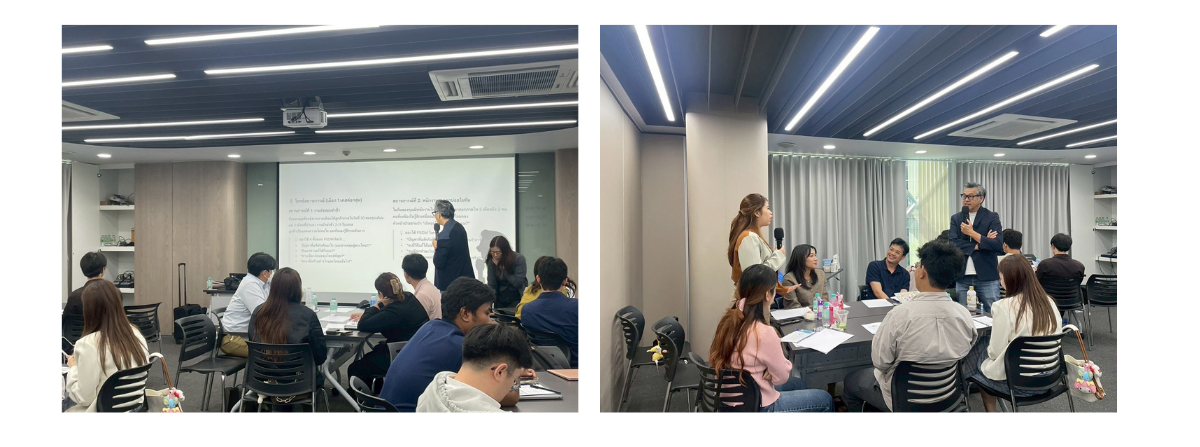
In addition, the Company regularly conducts Training Needs Analysis (TNA) based on (1) role-based competency frameworks, (2) performance appraisal results and supervisor feedback, and (3) business trends, risks, and annual strategic plans. This ensures effective prioritization and alignment of employee development plans with the Company’s growth, supported by measurable performance indicators. In 2025, the Company focused on two key groups: first-line supervisors and technology personnel, aiming to strengthen human capital capabilities. Examples of the Company’s training and development programs are as follows:
1) Human Capital Development: Technology Capability Program (INET DevHub Meetup)
The Company continuously enhances the capabilities of its technology personnel through the INET DevHub Meetup, aiming to elevate engineering standards, strengthen system security through a Security-by-Design approach, and foster a collaborative learning culture among development teams. In 2025, a total of seven sessions were conducted, covering key topics such as DevOps & Automation, Cybersecurity, Framework & Digital Trust, Requirement-to-Design, Front-end Engineering, Data/AI, and UX/UI, with 844 participants. The Company continuously improves program quality and content, incorporating practical workshops and labs to enable participants to effectively apply knowledge in real-world scenarios.
Impact on Employees | Impact on the Organization |
Technology personnel enhanced their capabilities to work more efficiently and securely through DevOps/Automation, Security, and Data/AI. Cross-functional collaboration (BA–UX/UI–DEV) was also strengthened, enabling more standardized and aligned deliverables, while improving readiness to adapt to future technological changes. | Enhanced delivery efficiency and development quality, reduced security risks, and strengthened capabilities in innovation and data, contributing to long-term competitiveness and business continuity. |
2) Continuous Leadership Development Program: Leadership Skills for First-line Management (First-line Manager / Supervisor)
The Company emphasizes human capital development by strengthening first-line leadership to support sustainable growth. The program aims to enhance supervisors’ capabilities in both people and performance management, aligned with good corporate governance and operational risk management. It focuses on developing communication, delegation, coaching, and systematic problem-solving skills using standardized tools that can be immediately applied in the workplace. A total of 130 participants attended the program.
Behavioral Outcomes
- Increased confidence in decision-making and team management among first-line managers
- Improved communication and systematic problem-solving skills
- Enhanced ability to delegate tasks, coach teams, and foster a sense of ownership among team members
Impact on Employees | Impact on the Organization |
Strengthened practical leadership capabilities of first-line managers, enabling structured communication, feedback, delegation, and team coaching, resulting in more effective team leadership and improved delivery performance. | Strengthened the leadership pipeline to support business growth, improved delivery quality, reduced errors and team management risks, and enhanced employee engagement and talent retention in the long term. |
Occupational Health, Safety, and Work Environment
1. Safety, Occupational Health, and Work Environment Promotion Activities
1.1 Occupational Health and Safety Training
The Company provides training on occupational health, safety, and work environment to enhance employee awareness, knowledge, and compliance with safety regulations. The training aims to control, prevent, and reduce operational risks across all levels, including electrical safety and first aid for electrical incidents. In 2025, a total of 473 employees participated in safety training programs.
1.2 Fire Safety and Evacuation Training
The Company conducts annual fire safety and evacuation training for employees at the headquarters and operational centers. The program includes proper fire extinguishing techniques and practical drills to respond to emergency situations. In 2025, 866 employees participated in fire safety and evacuation training.
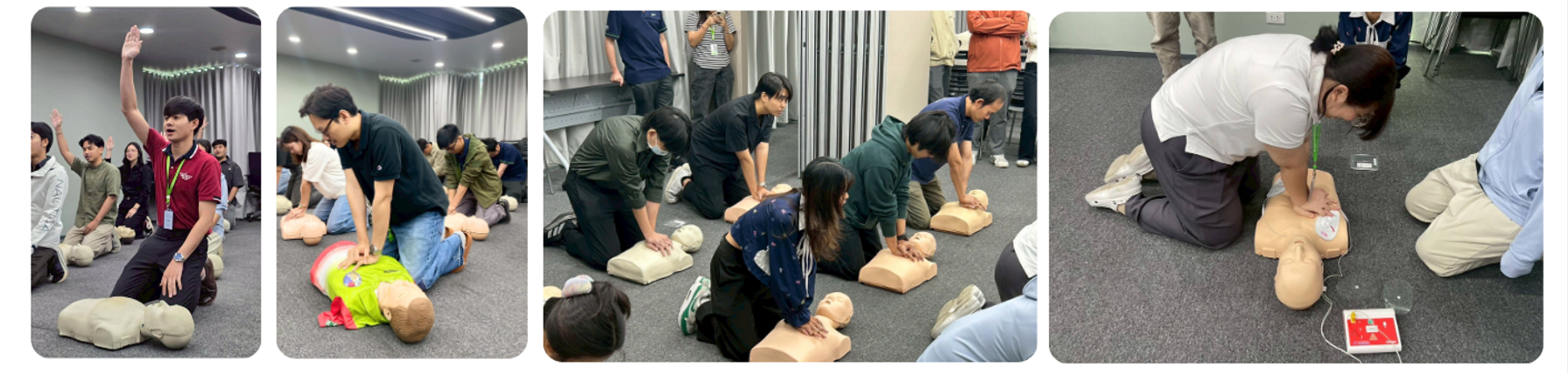
1.3 First Aid and CPR Training
The Company provides first aid and basic life support (CPR) training to equip employees with essential skills for emergency situations. In 2025, 98 employees participated in the training.
1.4 Safety Inspection (Walkthrough Survey)
The Company has established an Occupational Health, Safety, and Work Environment Committee to conduct regular workplace safety inspections (safety patrols) to identify potential risks and hazards, such as machinery, equipment, chemicals, and storage practices. The committee provides recommendations for improvement in compliance with safety regulations and standards. Inspection results are reviewed and reported on a monthly basis to prevent workplace accidents and occupational illnesses.
2. Employee Well-being and Workplace Environment Programs2.1 Provision of a Suitable Work Environment
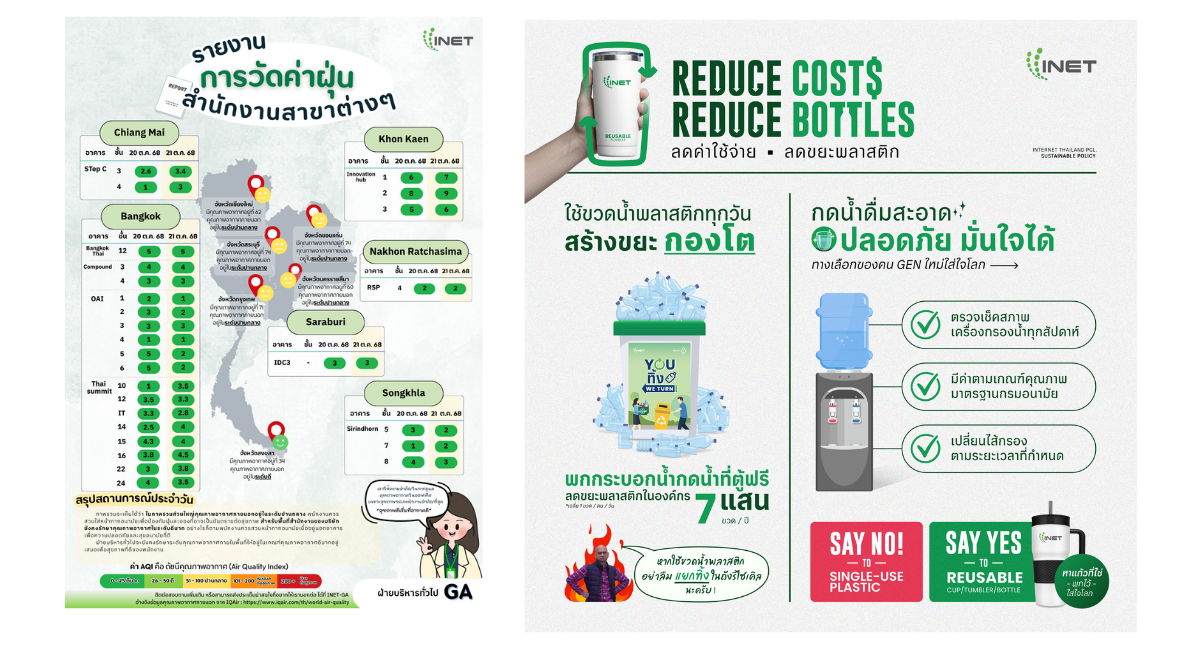
In 2025, the Company conducted workplace environment assessments to ensure a safe and supportive environment that promotes employee health, concentration, productivity, and safety. Key measures include:
- Lighting Assessment: Regular inspection and improvement of workplace lighting to ensure adequate illumination in accordance with legal standards, helping prevent eye strain, reduce accidents, and enhance work efficiency.
- Air Quality Monitoring: Implementation of ventilation systems and air purifiers to control dust levels, along with regular air quality measurements to ensure compliance with standard thresholds and maintain a healthy working environment.
- Drinking Water Quality Monitoring: Regular testing of drinking water quality in compliance with Department of Health standards to ensure cleanliness, safety, and the absence of pathogens and chemical contaminants. The Company provides certified water filtration systems and conducts routine maintenance and testing, with results consistently meeting the required standards, helping prevent waterborne diseases and protect employee health.
2.2 Health and Safety Awareness Promotion
The Company places importance on employee safety, health, and well-being by promoting awareness and providing practical knowledge through various programs and activities:
- Health and Safety Communications: Internal communications are provided to promote health awareness, including topics such as adequate rest, stress management, nutrition, and health care during disease outbreaks (e.g., proper hydration and ergonomic working posture).
- Fit & Firm Program: The Company organizes health promotion activities and weight management initiatives, such as the “INET Fit & Firm” program, to improve employee health, enhance work performance, and reduce risks of chronic diseases, including heart disease, diabetes, and hypertension.
- Sports Facilities and Annual Health Check-ups: The Company provides sports facilities, including badminton, basketball, and football, to encourage physical activity and strengthen employee relationships. Annual health check-ups are also provided to support early detection and prevention of work-related and chronic diseases, such as office syndrome, hypertension, and diabetes, thereby improving quality of life, enhancing productivity, and reducing absenteeism.
Customers — Plan & Guidelines
Has a Customer Management Plan
Yes
Plan Description
(1) Customer Personal Data Protection
The Company is committed to the implementation of the Personal Data Protection Act B.E. 2562 and related laws. The rules and practices for the collection, use, processing and disclosure of personal data and the protection of the rights of personal data subjects have, therefore, been established. The Company has announced a policy on personal data protection to enforce and acknowledge the measures on its website, covering all stakeholders. The details are as follows:
1. Data Protection Policy for Customers and Clients
2. Data Protection Policy for Vendors and Business Partners
3. Data Protection Policy for Visitors
4. Data Protection Policy for Shareholders, Bondholders and Directors
5. Data Protection Policy for Employee and Job Applicants
In order to ensure proper, accurate and efficient personal data protection of the Company, Data Protection Officer : DPO, have been appointed, and customers’ personal data protection practices for use within the organization are in place. Such as Data Classification, PII Inventory management, Individual Right management, Data Breach management
Personal Data Protection Complaint Channels
Website | Filling in “Data subject Request Form” downloaded from the website. www.inet.co.th > Data Subject Right |
Call | 0 2257 7000 (Call Center) or 0 2257 7111 (NOC) |
noc@inet.co.th, DPC-inet@inet.co.th or DPO-inet@inet.co.th (Can report suspicious incidents or complaints) |
(2) Information and IT Security Information and IT Security Policy
The company has established an information and IT security policy to provide clear governance, direction, and guidance for safeguarding information security. The policy ensures proper understanding of best practices and enables compliance with applicable laws, company policies, procedures, and regulations in an effective and standardized manner.The policy is aligned with the international standard ISO/IEC 27001 and covers key areas, including: Cyber Security Policy, Access Control, Cryptography and Key Management, Physical Security,Security of IT Systems and Supporting Utilities, Secure Areas,This framework ensures a consistent approach to protecting the company’s information assets and IT infrastructure.
Management Approach
The company has developed manuals and guidelines on information and IT security, including the Information Security and Privacy Information Management System Policy (ISMS & PIMS Policy). It has also established a governance structure for IT security management, which includes the Process Management Committee (PMC) and related working groups responsible for overseeing IT security. In addition, the company has set up a Computer Security Incident Response Team (CSIRT) to manage and supervise cybersecurity incidents, both internal and external, ensuring proper control and protection against cyber threats.
(3) Customer Satisfaction Development and Relationship Enhancement
The company places great importance on managing customer relationships by continuously improving its products and services to build confidence in service quality and enhance competitive capability in a responsible and transparent manner. The company regularly conducts customer satisfaction surveys and assessments, using the feedback received to refine work processes, as well as to develop and enhance systems and services. This approach ensures that customer needs are met efficiently and fosters long-term customer satisfaction.
Plan Areas
| Plan Area |
|---|
| Development of customer satisfaction and customer relationship |
| Protection of customer personal information |
Customers — Satisfaction Results
Customer Satisfaction Results
| Metric | Current Year | Previous Year | Two Years Ago |
|---|---|---|---|
| Evaluation results of customer satisfaction | 1 | 1 | 1 |
Customers — Targets
Has Set Customer Targets
Yes
Targets
| Indicator | Target Areas | Target Year | Target Year — Description |
|---|---|---|---|
| Customer Satisfaction | 3009 · Description: Development of customer satisfaction and customer relationship | 2,025 | Customer Satisfaction Target: 95% |
Customers — Performance & Outcomes
Has Performance Results
Yes
Performance Description
Customer Personal Data Protection and Information & IT Security
The Company places continuous importance on the protection of customers’ personal data, as well as the security of information and IT systems. Operations are conducted in compliance with applicable laws and relevant international standards. The Company also promotes ongoing awareness among its personnel regarding cybersecurity and the appropriate use of personal data, ensuring that services are delivered efficiently and in accordance with established standards. In addition, the Company regularly organizes training sessions, provides knowledge, and communicates relevant information to employees on a continuous basis. Details are as follows:
1. Cybersecurity and Personal Data Protection Training
• The PDPA Awareness Training program was conducted to ensure that the Company’s operations comply with the Personal Data Protection Act B.E. 2562 (2019) and related regulations. The training covers key topics, including personal data security (cybersecurity), prevention of unauthorized access, data governance to ensure proper use of data in line with its intended purposes, effective handling of data subject requests, and measures for safeguarding personal data. A total of 1,233 employees participated in the training.
• The “Policy and Procedure Awareness Training 27” and “Cybersecurity Awareness Training” programs were conducted to continuously enhance awareness of information technology and cybersecurity. These programs aim to strengthen employees’ knowledge, understanding, and essential skills, helping to reduce risks and foster a strong information security culture within the organization, while building confidence among all stakeholders. A total of 95 employees participated in the training.
2. Awareness and Knowledge Communication
The Company communicates and provides knowledge on personal data protection laws (PDPA) to establish proper practices and enhance understanding among employees, including those in affiliated companies. Key topics include:
• Personal Data Breach Management Procedures (PII Data Breach Management)
• 5 Personal Data Breach Cases in Thailand in 2025
• Personal Data Protection Act (PDPA)
Customer Satisfaction Development and Relationship Enhancement
In 2025, the Company conducted customer satisfaction surveys and assessments. Feedback obtained from these surveys has been continuously used to improve and enhance systems and service delivery. The results are summarized based on overall activities carried out in collaboration with customers and service utilization, with details as follows:
Customer Satisfaction

Community & Social — Plan & Guidelines
Has a Community & Social Plan
Yes
Plan Description
Community and Social Development Policy
The Company has established policies and practices on social, community, and environmental aspects to support sustainable business operations. It aims to be a leading information technology service provider in Thailand and is committed to promoting knowledge and understanding of IT for the benefit of society, while driving innovation to support the development of businesses and society. The Company also shares its knowledge and expertise with educational institutions to help prepare students for IT careers, and collaborates with public and private sector organizations to enhance the effective application of IT in organizational development.
Management Approach
The Company has established its social responsibility approach in education through academic collaboration with leading universities across regions, in alignment with the 20-year strategic plan for the development of key economic cities. Guided by good governance and business ethics, the Company focuses on developing professional skills and providing knowledge relevant to the Thailand 4.0 era, enabling individuals to build careers and generate sustainable income within their local communities. In addition, the Company promotes continuous cross-sector collaboration in innovation development to drive digital transformation and enhance society’s access to digital technology. This is achieved through the development of new innovations and the expansion of value-added products and services, strengthening competitiveness while creating benefits for society and the environment.
Plan Areas
| Plan Area |
|---|
| Employment and professional skill development |
| Education |
| Reducing inequality and promoting social equality |
Community & Social — Targets
Has Set Community & Social Targets
No
Community & Social — Performance & Outcomes
Has Performance Results
Yes
Performance Description
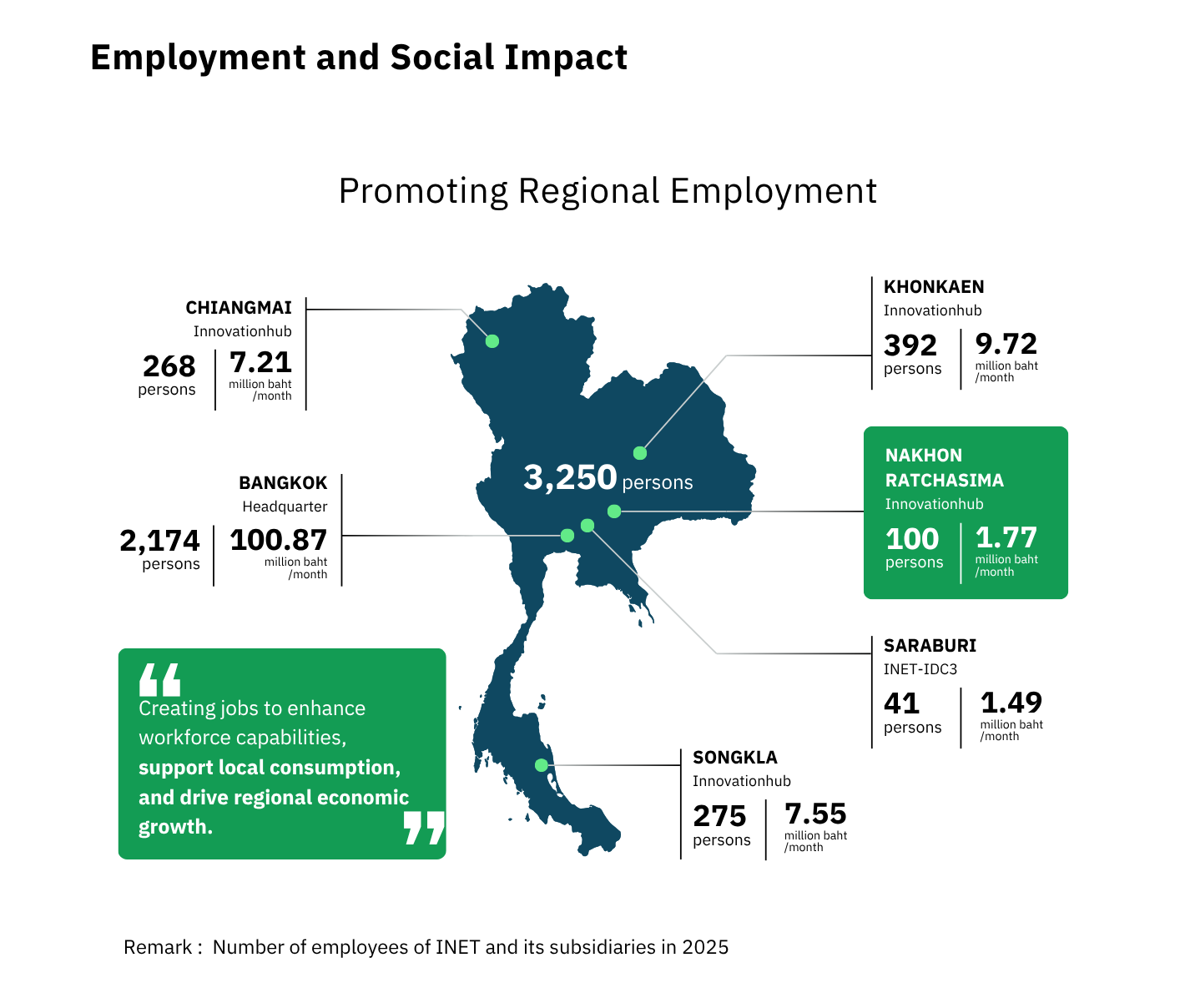
The Company conducts its business with responsibility toward society and communities, emphasizing the use of information technology as a key enabler for economic and social development, as well as the improvement of Thai society. The Company has established Data Centers and Innovation Hubs across regions, currently totaling five locations: Saraburi, Chiang Mai, Khon Kaen, Songkhla, and Nakhon Ratchasima. It also collaborates academically with leading universities in each region in alignment with the 20-year strategic plan for the development of key regional cities. These initiatives aim to enhance technological capabilities within society, increase local employment opportunities, and promote income distribution across regions.
1) Employment and Skills Development
The Company recognizes the importance of human capital development and the creation of technological innovation for society. It therefore continuously supports modern employment and skills development in areas where its Data Centers and Innovation Hubs are located. These efforts help reduce migration, lower local unemployment rates, increase local consumption, and expand career opportunities and income distribution within communities, enabling sustainable self-reliance.
2) EducationPromoting Domestic Innovation Development through Academic Collaboration (MOU)
The Company has continuously established academic collaborations with universities across regions to drive research and innovation development. It has entered into Memoranda of Understanding (MOUs) with a total of 13 universities. These collaborations focus on the joint development of curricula in research and innovation, as well as the organization of practical training programs in key areas relevant to digital transformation, such as ICT Fundamentals, Cloud, Network, and Big Data. In addition, joint activities between faculty members and students are conducted to enhance skills, knowledge, and hands-on experience, particularly in technology, in alignment with current and future business needs. Furthermore, the Company provides opportunities for students to participate in internship programs, enabling them to gain practical work experience, strengthen their technological capabilities, and improve their employability. This also supports the development of local innovation and enhances long-term national competitiveness. The Company also conducts educational guidance activities to bridge education and the labor market, including:
• Participation in job fairs to promote the Company and recruit potential candidates
• Organization of private classes in collaboration with educational institutions to prepare students for entering the workforce
3) Community Engagement and Social Contribution
To mark the Company’s 30th anniversary, volunteer activities were organized with a focus on promoting sustainable social and environmental responsibility. These initiatives reflect employees’ collective efforts to conserve natural resources and contribute to local communities, including:
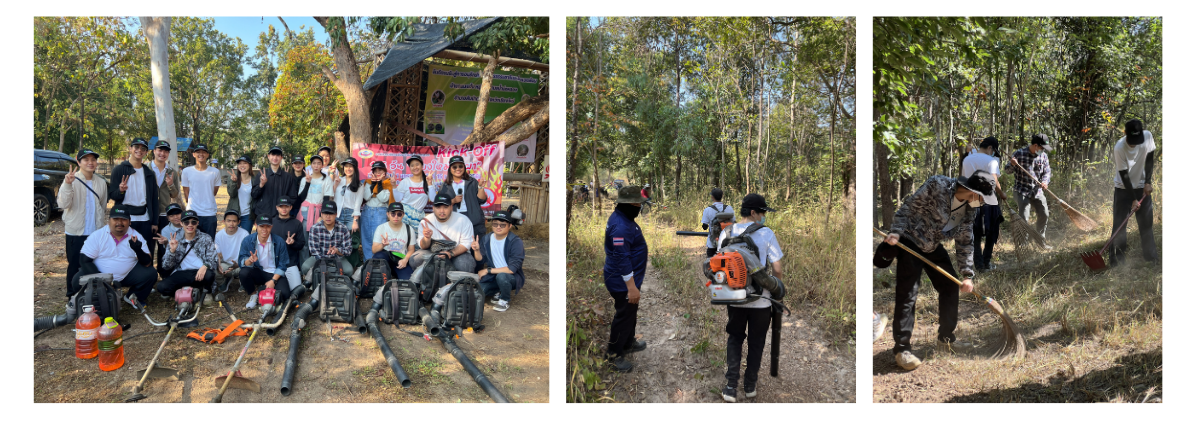
• Firebreak Construction Activity: Conducted by employees at the Chiang Mai Data Center to prevent forest fires in high-risk areas, protecting surrounding communities, forests, and wildlife, while supporting long-term ecosystem balance.
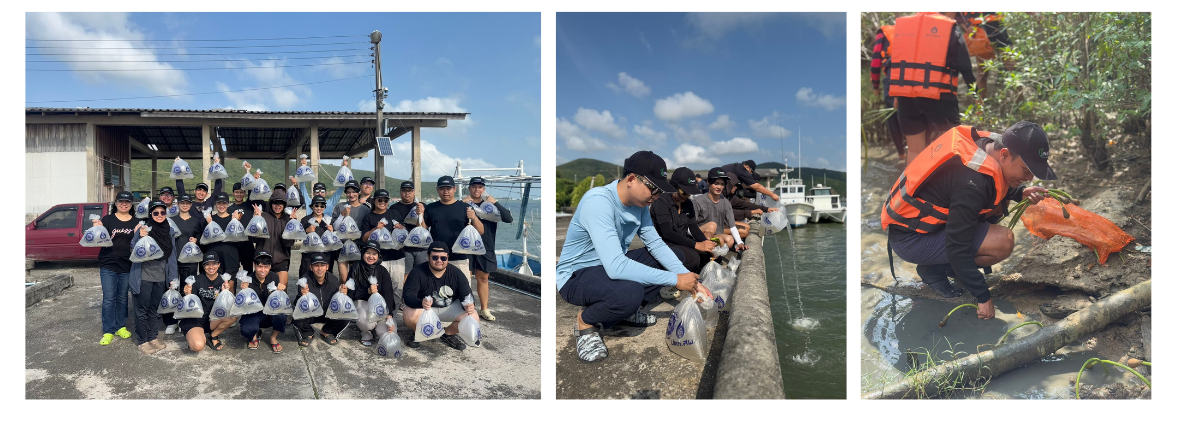
• Crab Release and Mangrove Reforestation Activity: Conducted by employees at the Hat Yai Data Center to restore natural resources. Mangroves help prevent coastal erosion, support biodiversity, and serve as habitats for aquatic species that sustain local fisheries. Crab release activities help increase marine populations and maintain long-term ecosystem balance.
These activities provide INET employees with opportunities to build strong relationships, enhance teamwork, and foster social responsibility. They also raise awareness of natural resource conservation, reduce environmental impact, and encourage employee participation in organizational and social development. This approach aligns with the Sustainable Development Goals (SDGs) and the Company’s commitment to balanced and sustainable growth.
Law Violation Incidents
Law Violation Incidents
| Metric | Current Year | Previous Year | Two Years Ago |
|---|---|---|---|
| The total number of cases or incidents of significant violations of laws or regulations regarding social and human rights (Cases) | 0 | 0 | 0 |
| The total number of cases or incidents that cause significant labor disputes (Cases) | 0 | 0 | 0 |
| The total number of cases or complaints related to consumer rights violations (Cases) | 0 | ||
| The total number of cases or complaints related to partner rights violations (Cases) | 0 | ||
| The total number of cases or incidents that cause disputes with the community/society (Cases) | 0 | ||
| The total number of cases or incidents related to cyber security or customer data breaches (Cases) | 0 | ||
| The total number of cases or incidents related to safety and occupational health at work (Cases) | 0 |